What is Mirena?
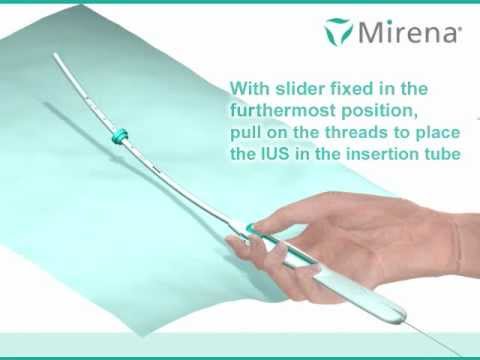
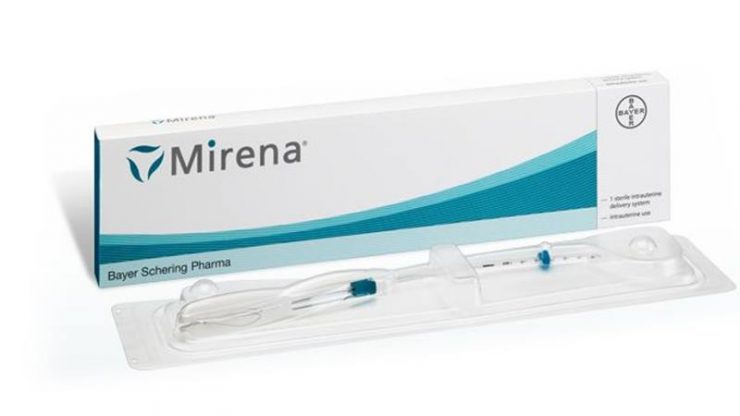
Mirena is a small, T-shaped intrauterine device (IUD).
Placed into the uterus by a trained healthcare provider during an office visit
You should do a monthly thread check to make sure it's in place—ask your healthcare provider to explain how
Placement of Mirena is nonsurgical
Reversible, so you can have it removed at any time and try to become pregnant right away
Placement takes only a few minutes
You may experience pain, bleeding or dizziness during and after placement. If your symptoms do not pass within 30 minutes after placement, Mirena may not have been placed correctly. Your healthcare provider will examine you to see if Mirena needs to be removed or replaced.
How does Mirena work to prevent pregnancy?
Mirena is an IUD that releases small amounts of a progestin hormone called levonorgestrel into the uterus.
Mirena may work in several ways:
However, it is not known exactly how these actions work together to prevent pregnancy.

Mirena is one of the most effective low-maintenance birth control options
Generally, the less you have to do, the more effective the birth control method tends to be.
Mirena is birth control you don't have to think about taking every day or even every year. Once it’s placed, just do a monthly thread check to make sure it’s in the correct position. Ask your healthcare provider to explain how. If you don't feel the threads or feel more than just the threads, call your healthcare provider. Mirena may not be in the right position and may not prevent pregnancy. Use non-hormonal back-up birth control (such as condoms and spermicide) until your healthcare provider can check that Mirena is still in the right place.
Comments
Post a Comment